
How Volunteers Transformed FFE’s Online Financial Literacy Classes by Donating Their Time
18 Feb 2026 . 6 minute read
When we launched our financial literacy courses at FFE, we expected knowledge enhancement for the individuals that needed it most. With just a few hours each week, two volunteer mentors joined our online classes and quickly became pillars of guidance for learners as they explored budgeting, saving, and other financial decisions. Their time donation taught skills and opened conversations across borders. In this blog, we share the insights and lessons learned from offering volunteer-led financial education directly to trainees who had been looking for ways to manage their finances more wisely.
Meet Our Volunteer Mentors
Thanks to the generous time donation of Dr. Georg Musil and Mr. David Pohl, who volunteered to share their knowledge and experience in the financial sector, we were able to deliver financial education courses at FFE with depth and clarity. Their engagement serves as a powerful example of how donated time can strengthen local learning cycles and continues to grow long after a course ends.
Dr. Georg Musil has supported FFE in two courses—the Financial Literacy course (July–August 2025) and the Women’s Financial Empowerment course (November–December 2025)—by dedicating his time into sharing economic insights that enriched discussions and strengthened the course structure. By linking core concepts like budgeting, saving, debt, and goal-setting to everyday situations, he helped learners translate theory into practical steps for daily life.
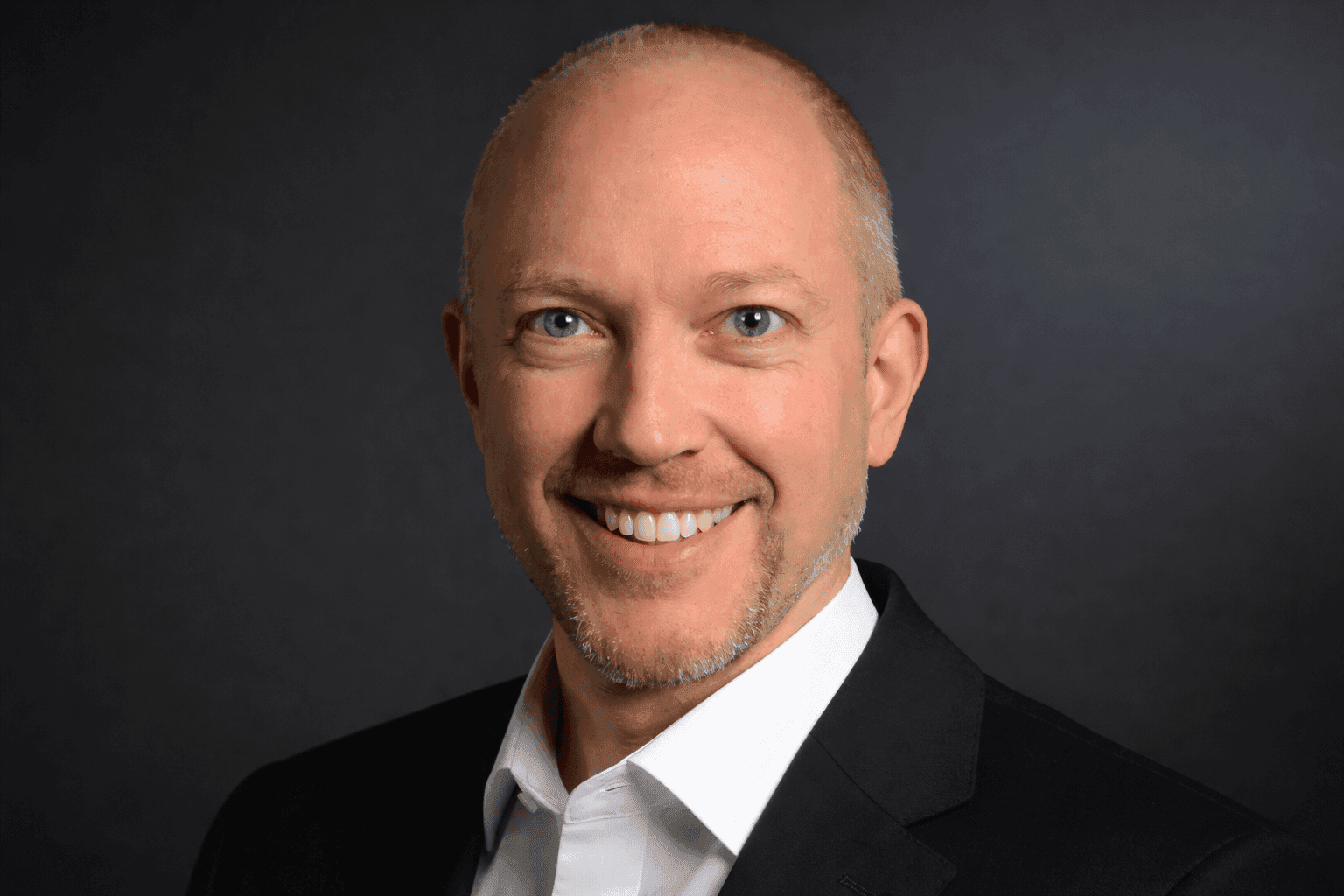

Mr. David Pohl mentored the Women’s Financial Empowerment course in September 2025, using his experience in financial planning to guide learners as they applied concepts to their personal goals.
In both courses, mentors helped participants work with practical tools such as recording income and expenses, planning savings, reviewing investment options, and connecting values like patience and discipline to financial decisions. This is the true power of time donation; whether before or after retirement, mentoring can become a meaningful contribution to a global cause.
Why the Course Was Needed
Financial literacy is closely linked to employability and long-term financial wellbeing. Research from the OECD (2023) shows that higher financial literacy is associated with more stable finances and stronger employment outcomes (OECD/INFE 2023 International Survey of Adult Financial Literacy). Research from GFLEC and other institutions shows that women in the Global South often have fewer resources for financial learning, which is linked to lower participation in stable, formal employment (IJCRT article on women’s financial literacy).
These findings match what many participants reported before joining the course: they wanted simple knowledge to understand income, expenses, debt, and savings to support themselves and their families without leaving their communities.

Who Joined the Course
Participants from Kenya, Tanzania, Zambia, and a few individuals from Austria joined the courses to build skills for managing income, planning goals, and supporting those around them. In fact:
- 25 participants enrolled in the Financial Literacy course
- 45 women enrolled in the Women’s Financial Empowerment course
from partner organizations:
- FAAL
- Lomthunzi Foundation
- Education Africa
- Wezesha Foundation
In total, 17 participants completed the Financial Literacy course, and 17 women completed the Women’s Financial Empowerment course and received certification.

Course Structure in Simple Steps
At FFE, we offer two distinct financial education courses with one shared goal: building financial confidence.
- Financial Literacy (8 weeks)
Women’s Financial Empowerment (5 weeks)
Both courses include core learning components such as:
- Live online class
- Reading material written at accessible levels
- Quizzes to check understanding
- Assignments linked to personal financial goals
- Peer conversation panel for sharing experiences
Although the two courses share the same core structure on financial education goals, the Women’s Financial Empowerment course goes a step further by addressing the challenges and opportunities that women often face in their financial lives, such as gender pay gap, work–life balance and the importance of creating strong support networks.
Outcomes and Learning Results
The final forum, assignments, and shared reflections of those who completed the courses and are now certified show several outcomes:
- Participants could explain their income and expense patterns more clearly than before.
- In the Women’s Financial Empowerment course, all women created and implemented a personalized financial action plan to identify habits to support long-term financial stability.
- Many identified social barriers affecting women in their regions, such as pay inequality and limited access to formal education in financial topics.
Several described how virtues—patience, resilience, discipline—help them to continue their plans.
When individuals understand their resources, they can make more informed choices about training, work opportunities, and small business activities in their own communities.
When Learning Continues Beyond the Course
An important outcome was the learning cycle created after the program ended. Several participants shared that they plan to share the course material with other community members around them. This pattern is similar to what FFE sees in many of its educational initiatives: when a few individuals receive structured training, the knowledge spreads inside their community without needing additional funding. It becomes an internal resource that others can learn from.
When Learning Continues Beyond the Course
An important outcome was the learning cycle created after the program ended. Several participants shared that they plan to share the course material with other community members around them. This pattern is similar to what FFE sees in many of its educational initiatives: when a few individuals receive structured training, the knowledge spreads inside their community without needing additional funding. It becomes an internal resource that others can learn from.
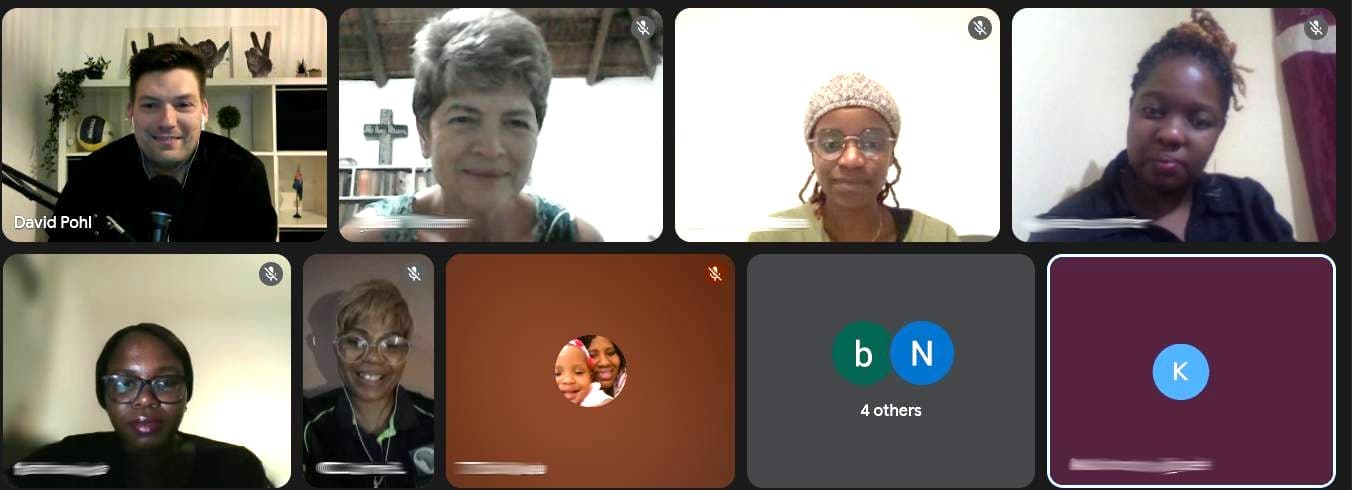
Voices of Learners
Participants shared that the course helped them think about financial literacy and rethink their habits:
“This course has been truly transformative for me. It has equipped me with practical skills to better manage my personal finances. I now have clear savings goals, have reduced non-essential spending, and increased my contributions toward savings and investments.”
Their feedback also shows how learning can spread into their communities and wider circles to help others build confidence and useful skills:
“I think receiving such education while still young as women is an invaluable asset for me as it would be for many other youth within my community. I think having small workshops and meetings with women in various settings to discuss this and learn more meaningful skills will be an initial goal. As I continue to develop my knowledge and skills in financial literacy I would love to spread the knowledge I gain to even more people through my social media platforms and through other means. This course has been an inspiration and such a wonderful opportunity for learning and even for acknowledging the importance of financial freedom for me as a woman.”
The Lasting Impact of Time Donation
This experience shows how donating time can strengthen communities. By sharing their skills, volunteer mentors help learners build confidence, develop practical financial habits, and become resources for others around them. This reflects FFE’s mission to support local growth and create lasting impact within communities in the Global South and Eastern Europe.
FFE will continue developing programs where time donations play a key role in building long-term stability. If you would like to support this work, you can contact us.
Learn more about the power of donating your time.
Recommended Blogs
2025-12-18 . 3 minute read
2025-11-05 . 2 minute read
2025-09-29 . 4-5 minute read