
Top 3 Fields FFE Students Choose and Why They Matter
16 Jun 2026 . 7 minute read
Many of the students supported by Fund for Education (FFE) to pursue higher education do not choose a degree only for personal success. They choose it with a greater purpose in mind: to use their knowledge to serve their communities and drive sustainable change where it is needed most.
Again and again, students show that higher education is not just about earning a qualification. It is about solving real local challenges, opening doors for others, and building stronger futures. While every student has a unique story, three fields appear especially often in their choices: health sciences, agriculture, and information technology.
These choices are not random. They reflect the urgent needs students see around them growing up; illness, food insecurity, and lack of digital access, and their determination to become part of the solution.
Why FFE Students Choose Degrees That Create Community Impact
Many students supported by FFE come from places where talent is abundant, but opportunities are limited. They grow up seeing the same problems repeated across generations such as preventable diseases, unstable harvests, unemployment, and limited access to knowledge.
For them, higher education becomes more than a personal dream. It becomes a practical tool for community development. The fields they choose are often those with the clearest path to impact areas where one educated young person can improve the lives of many.
Here are the top three fields FFE students choose and the reasons behind them.
1. Health Sciences: Protecting Lives and Strengthening Communities
One of the most common choices among FFE students is health sciences because youth have seen firsthand how much health shapes everyday life. When an illness goes untreated, children often miss school, parents can lose income, and entire communities find it harder to move forward.
That is why students like Irine from Mwanza, Tanzania, choose this path.
Irine grew up in a lakeside neighborhood where cases of malaria and preventable water-related illnesses were a constant challenge in her community, especially during the rainy season. As a teenager, she watched mothers walk long distances to seek medical help for children with fever, dehydration, and infections that could often have been prevented with earlier support and better awareness.
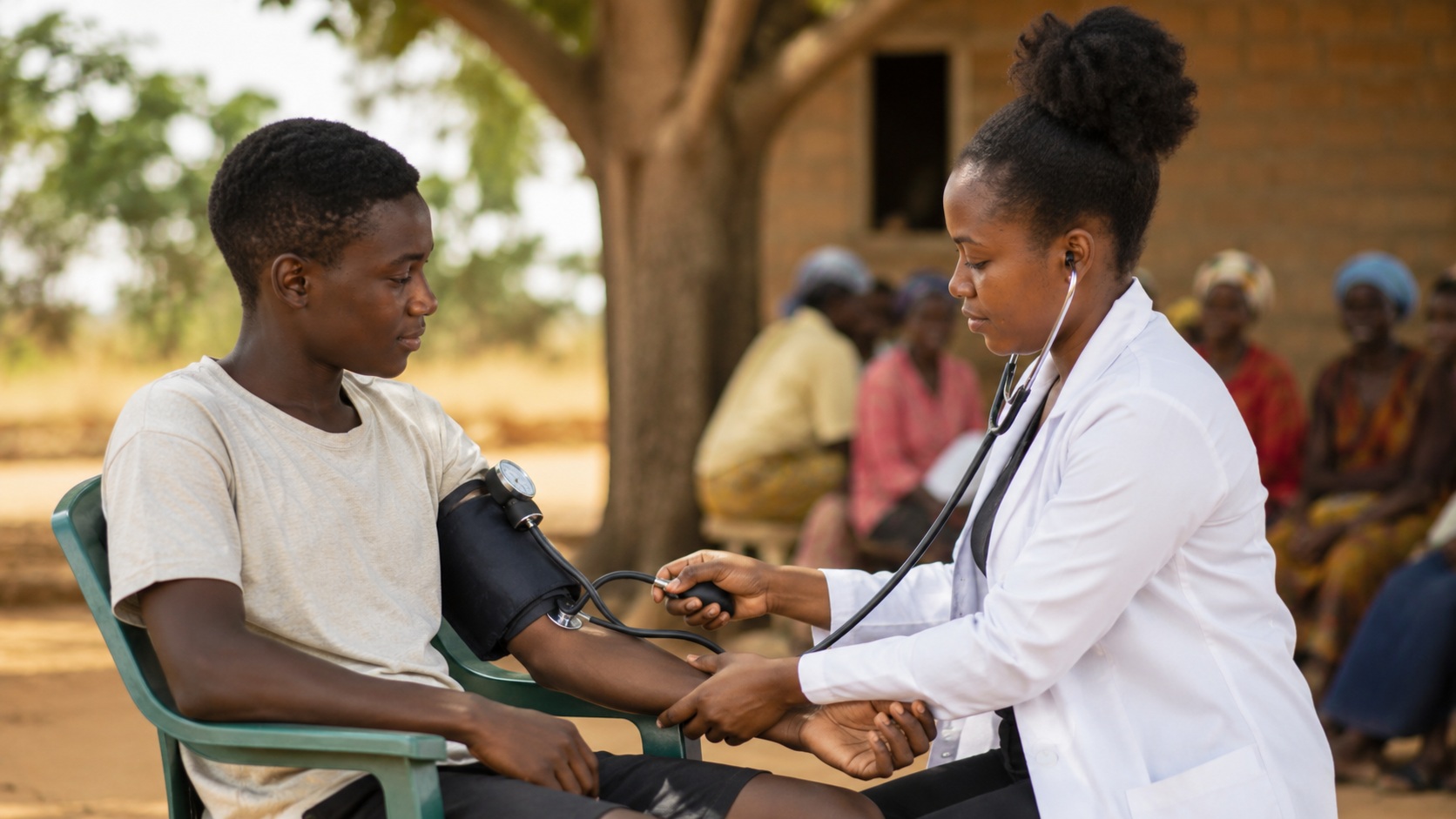
She decided she wanted to do more than witness the problem. With support for her studies, Irine pursued public health and focused on disease prevention, hygiene education, and community outreach.
After her studies, she returned to her region and worked with local volunteers to organize health awareness sessions for families, especially mothers and adolescents. She also helped connect underserved households with local clinics and supported campaigns around clean water practices and mosquito prevention. For Irine, the choice was deeply personal. She had seen how poor health can hold an entire community back.
“When people are healthy, children can learn, parents can work, and hope becomes real again.”
2. Agriculture: Building Food Security and Local Resilience
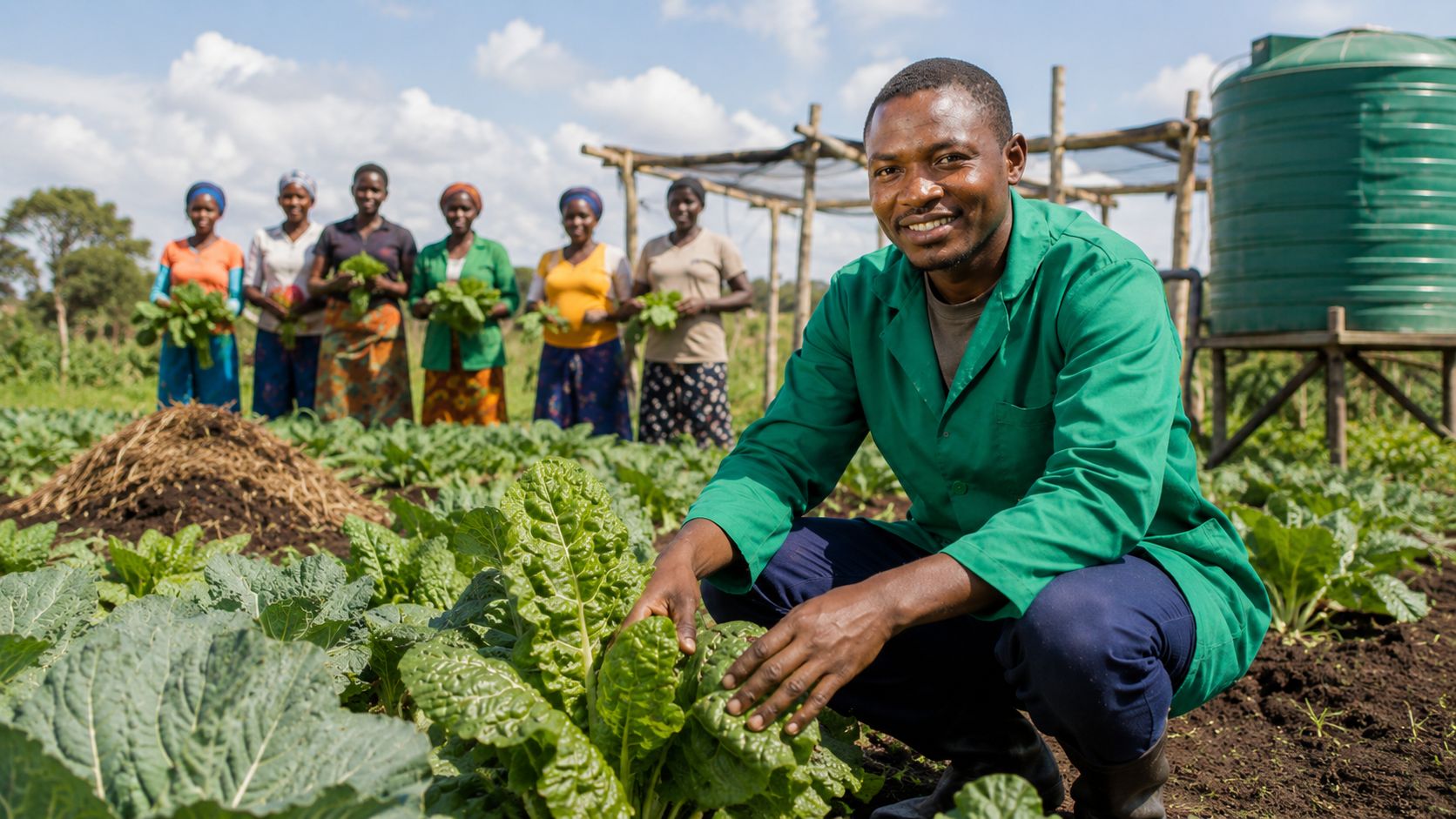
Another leading field among FFE students is agriculture, especially sustainable agriculture and agronomy. In many communities, farming is the backbone of daily life. But climate pressure, soil degradation, unreliable rainfall, and limited training can make it difficult for families to depend on the land. Students who grow up in these environments often understand better than anyone that agriculture is not just about crops. It is about income, nutrition, dignity, and stability.
That was true for Joseph from Eldoret, Kenya.
Joseph grew up in a farming family and saw the frustration that came with poor harvest seasons. Some years, crops failed because of prolonged dry periods. In other seasons, families planted as they always had, but changing weather patterns made old methods less reliable. He saw hardworking farmers doing everything they could, yet still struggling to feed their households or earn enough at market.
Instead of leaving that reality behind, Joseph chose to study sustainable agriculture. He wanted to understand how farming could become more productive, more climate-resilient, and more beneficial for local families.
“Food security starts when people believe improvement is possible, and when they have the right knowledge to act on it.”
After graduating, he began working with smallholder farmers in nearby communities, sharing practical approaches such as soil care, crop diversification, composting, and water-saving methods. He also encouraged peer learning, helping farmers exchange ideas instead of working in isolation. What motivated Joseph was not only the desire to improve yields. It was the desire to restore confidence.
3. Information Technology: Expanding Opportunities
The third major field FFE students often choose is information technology. Across the Global South, digital skills are becoming increasingly important for education, employability, entrepreneurship, and access to information. Yet in many communities, technology still feels distant, expensive, or out of reach. Students who have experienced this gap firsthand often choose IT because they know that digital inclusion can transform futures.
Consider Somona from Kumasi, Ghana.
Somona grew up in a neighborhood where many young people were capable, but access to computers, stable internet, and digital training was limited. He noticed that students with talent were still falling behind simply because they did not have the tools to practice or connect to wider opportunities.

He chose to study information technology with an interest in technical skills and digital literacy to know how communities can use technology safely and productively.
After completing her degree, Somona began supporting young people in his area through beginner-friendly digital learning sessions. He introduced basic computer use, online research skills, and internet safety in ways that felt approachable. For many participants, it was their first real step into the digital world.
“A computer should not feel like a luxury when it can become a bridge to education, work, and confidence.”
What These Career Choices Tell Us About Education
The three fields most often chosen by FFE students, health sciences, agriculture, and information technology, reveal something meaningful about how they see education. These are not choices made at random. They are rooted in the realities students know firsthand and in the needs they hope to address through their future work.
FFE students do not leave their countries to study abroad. They pursue higher education within their own regions, close to the communities that shaped them and the challenges they understand deeply. They study with a strong sense of purpose and responsibility.
For them, education is not only a personal opportunity. It is a way to give back. It is a way to share knowledge, respond to real challenges, inspire younger generations, and help create new opportunities for both themselves and those around them.
Why Supporting Higher Education Creates Sustainable Change
At FFE, this is the deeper reason higher education matters so much. When a talente young person from an underserved background gains access to university and relevant skills, the impact does not stop with one individual. It reaches families, neighborhoods, schools, farms, clinics, and local economies.
Students like Irine, Joseph, and Somona remind us that education is not only about personal advancement. It is about equipping committed young people to become problem-solvers who build stronger livelihoods. And that is the kind of sustainable change FFE exists to support.
Support a student’s journey today and help turn education into lasting change.
Recommended Blogs
2026-05-13 . 4-5 minute read
2026-04-22 . 5 minute read
2026-02-18 . 6 minute read