
How Young Learners in Athens Explored Green Skills
18 Dec 2025 . 3 minute read
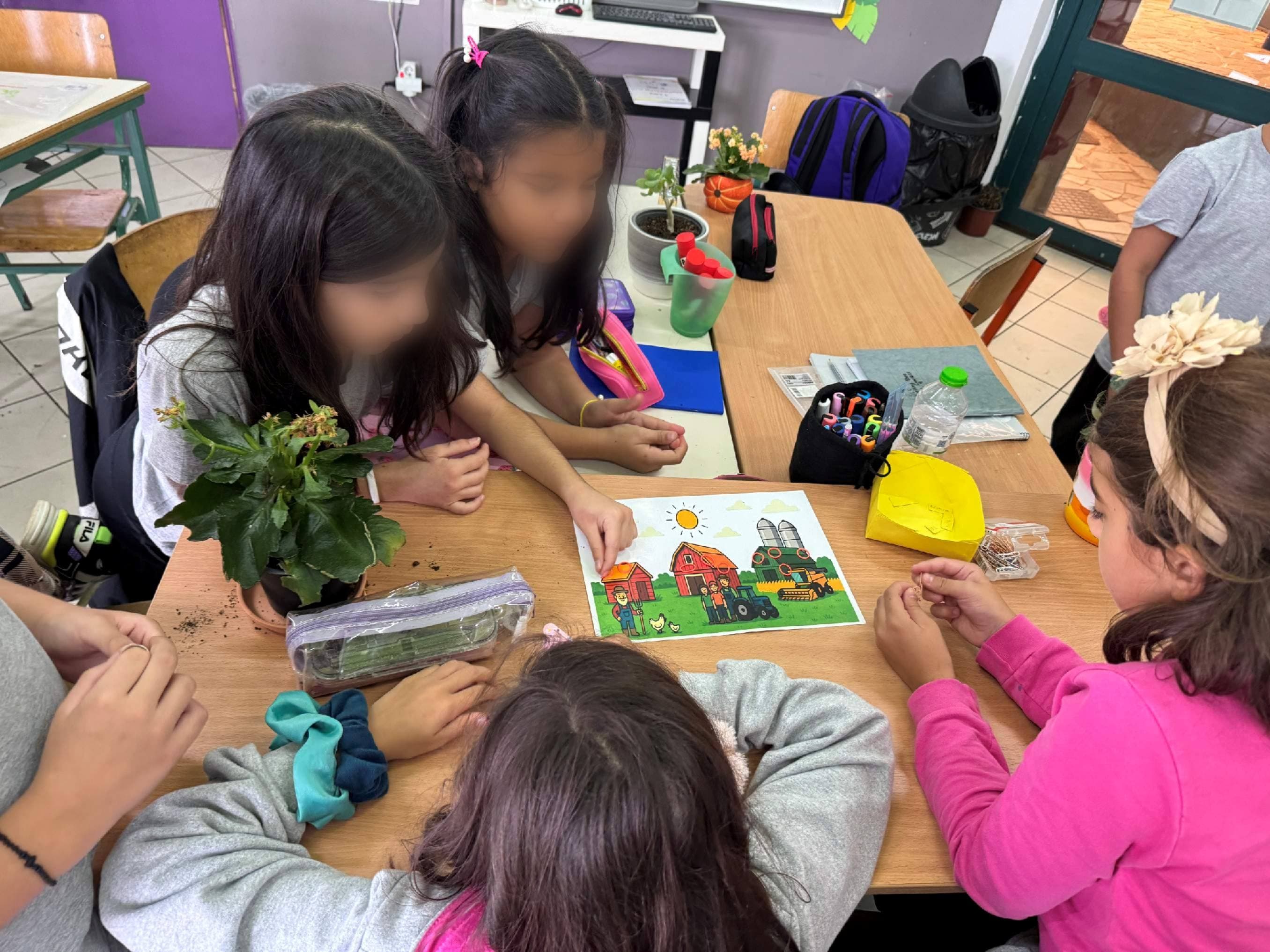
Imagine a classroom full of curious students, each holding a small piece of chocolate. Now imagine how their view of that chocolate changes when they learn where it comes from, who grows the cocoa, and how their choices can support fairness in global trade. This moment happened recently at DES School in Athens, where the Fund for Education (FFE) supported a Green Literacy workshop designed to help young learners understand the link between daily habits and a sustainable future.
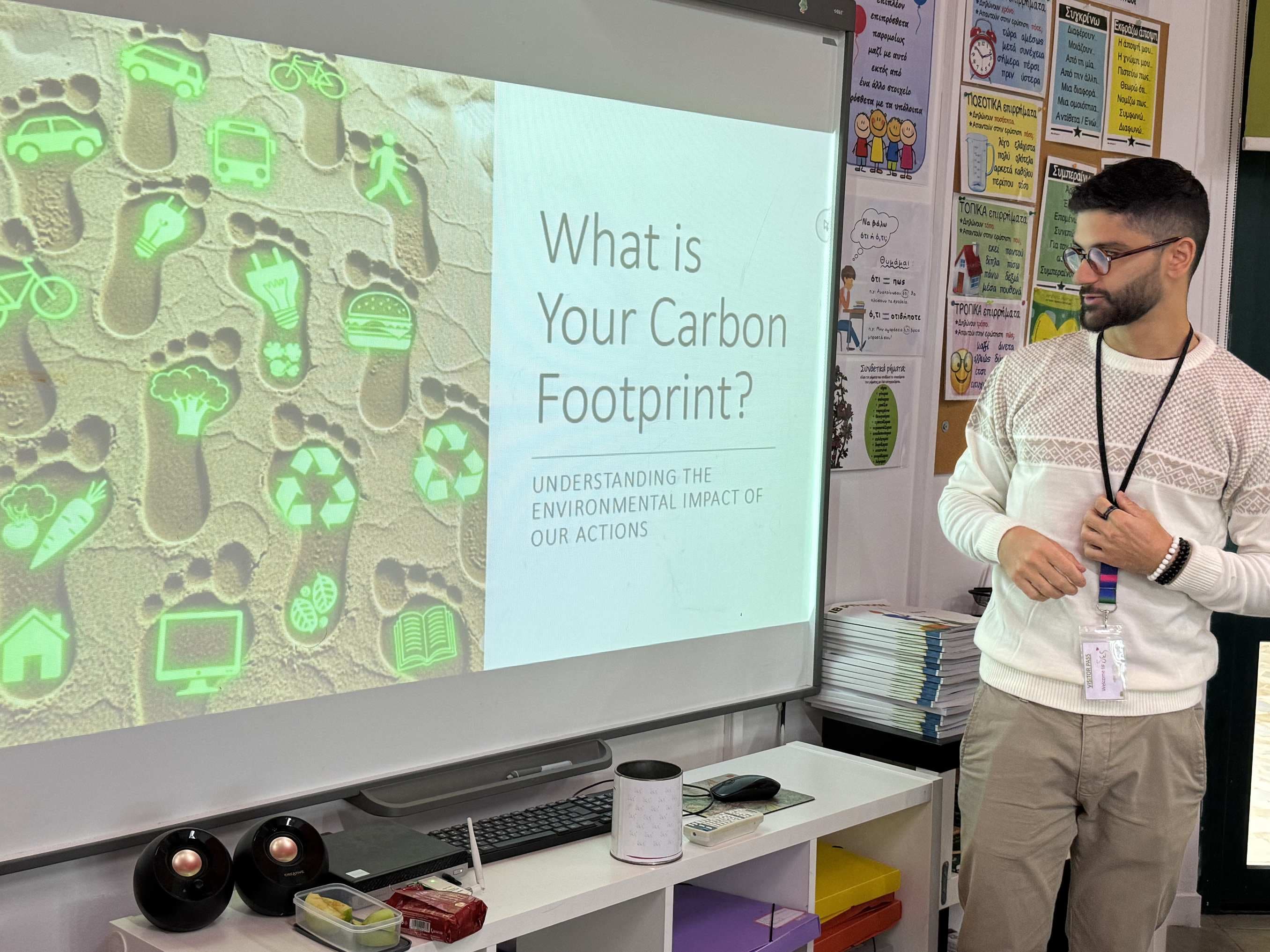
The workshop brought together children and teenagers from grades 3 to 9. Each group received content suited to their age, helping them explore Fair Trade, carbon footprints, and the idea that small decisions can support both people and the planet. While the activities were educational, they were also highly practical, giving students tools they can apply at home, at school, and later in their communities.
A Story Inspired by Real Moments
One of the younger students—let’s call her Amira—joined the “Snack Detective Adventure,” where she followed the journey of a chocolate bar from a cocoa farm to a shop in Athens. This activity, inspired by real events in the workshop but with details changed for privacy, showed her that behind each snack is a long chain of workers and natural resources. As Amira learned how Fair Trade helps farmers earn a fair income, she began to understand that choosing Fair Trade chocolate is not just a purchase—it is a way to treat others with dignity.
Stories like her highlight how learning about global trade can help children see their role in shaping a fairer economy. Research supports this idea: the Fairtrade Foundation notes that Fair Trade standards help improve incomes and working conditions for more than 1.8 million farmers and workers worldwide (Fairtrade Foundation, 2023)
Why Green Literacy Matters
The discussion on carbon footprints was especially eye-opening for the older students. Many were surprised to learn how much daily routines—transportation, food, and energy use—add to their personal environmental impact. According to the European Environment Agency, transport alone accounts for nearly 25% of the EU’s greenhouse gas emissions. This type of data helped students connect global issues to their own lives.
One group of middle school learners explored how systems thinking helps us understand the connections between consumer choices and global production. They discussed how sustainable habits, such as reducing waste or choosing ethically sourced products, contribute to healthier communities—both locally and abroad. These discussions are important because early exposure to environmental thinking can influence long-term behavior. A UNESCO report found that students who receive sustainability education are more likely to adopt environmentally responsible habits later in life.
“Planting Hope”: Turning Learning into Action
The workshop closed with an initiative called “Planting Hope.” Students wrote down one simple action they planned to take in the coming week—turning off lights, choosing Fair Trade snacks, walking to school, or starting small recycling efforts. Older students also explored a carbon footprint quiz on the Planting Hope website, helping them measure and understand their environmental impact.
These small steps reflect FFE’s larger mission: to show young people that education is not only about lessons in a classroom, but also about skills that help them improve their future and support their own communities. This idea aligns with FFE’s commitment to strengthening education and employability in the Global South and Eastern Europe, encouraging young people to learn, grow, and later give back locally.
Why This Work Matters for the Future
By organizing workshops like this, FFE helps young learners develop skills that go beyond textbooks—skills linked to responsibility, fairness, and community service. These values are central to FFE’s vision of preparing young people to contribute to the development of their own regions, rather than seeking opportunities elsewhere.
To explore similar stories, you can visit FFE blogs.
Recommended Blogs
2026-02-18 . 6 minute read
2025-11-05 . 2 minute read
2025-09-29 . 4-5 minute read